




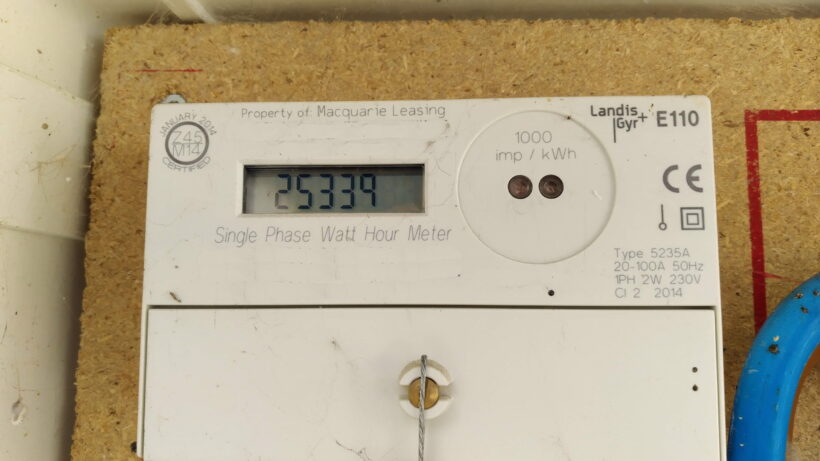
When I first moved into my old flat in 2021, I received constant communication from my energy provider to book a smart meter appointment.
It felt like such a faff at the time as both my partner and I were working five days a week in the office at that time, and precious weekend appointments were hard to come by. However, once I got us booked in, the smart meter was worth the constant appointment hunting. Knowing it sent our exact usage to the provider was a godsend, and seeing exactly how much money we were spending was knowledge I definitely took for granted.
And then we moved to a dead zone.
Smart meters run on a network that’s built specifically for the devices, which is managed by Data Communications Company (DCC). According to Energy UK, the DCC network reaches 99.3% of properties in the UK. That means my specific area in South Essex is annoyingly within the 0.7% with limited or no coverage and, subsequently, my home isn’t eligible for a smart meter installation.
When I first discovered this fact, I’ll admit I didn’t think much of it – but that was my first mistake. After a couple of months, my energy provider Octopus kindly notified us that our monthly direct debit should increase by over 162% – that’s for a two-person household.
Essentially, allowing ourselves to forget to send manual meter readings allowed Octopus to predict how much energy we used at home.
Obviously, basically as soon as I received this frankly horrific bill update, I rushed to send meter readings, and thankfully the recommended monthly direct debit was returned to the original figure.
Miss out on Octopus power down
Not only does the lack of smart meter mean I have to remember to send manual readings to avoid being charged a silly amount of money, it also means we miss out on Octopus’ incentives to get households to reduce their energy consumption. Essentially, the provider offers Power Down hours where if you use less energy than you usually would, during a certain period of time then you’ll earn points that can be redeemed for money off your bill.
It might sound futile, but the gamification of reducing energy is definitely a helpful way to get households to make thoughtful choices. Yes, we can all make such decisions in everyday life, but it’s a bonus that Octopus actually rewards you for them.

What’s the benefit of a smart meter?
I really think a smart meter is one of the best things you can do for your home. It may not be fancy or compatible with Alexa, but the humble smart meter negates the need for you to worry about sending manual readings to your provider, so you know you’re always getting charged for the correct amount of energy and aren’t letting them make wild assumptions about your consumption.
Not only that, but a smart meter allows you to see exactly how much energy you’re using and how much that’s costing you. That means you can make decisions on when to run appliances to help save money. Speaking of which, and perhaps most importantly, smart meters are literally free – and you don’t have to install it yourself either.
What to do if you can’t get a smart meter?
If you’re like me and you live outside of the 99.3% coverage area in the UK, or your home doesn’t easily support a smart meter, then there are one or two ways you can ensure your bill accurately reflects your consumption. The most important thing is to send manual meter readings once a month.
It’s also worth contacting your energy provider and asking to be placed on waitlist, or even directly asking when you can expect smart meters to work in your area.
not-having-a-smart-meter-completely-messed-up-my-energy-bills

