



Agentic AI workloads are handing Kubernetes an unexpected second act. The orchestrator once dismissed as reliable but boring is now at the center of how enterprises plan to run autonomous software.
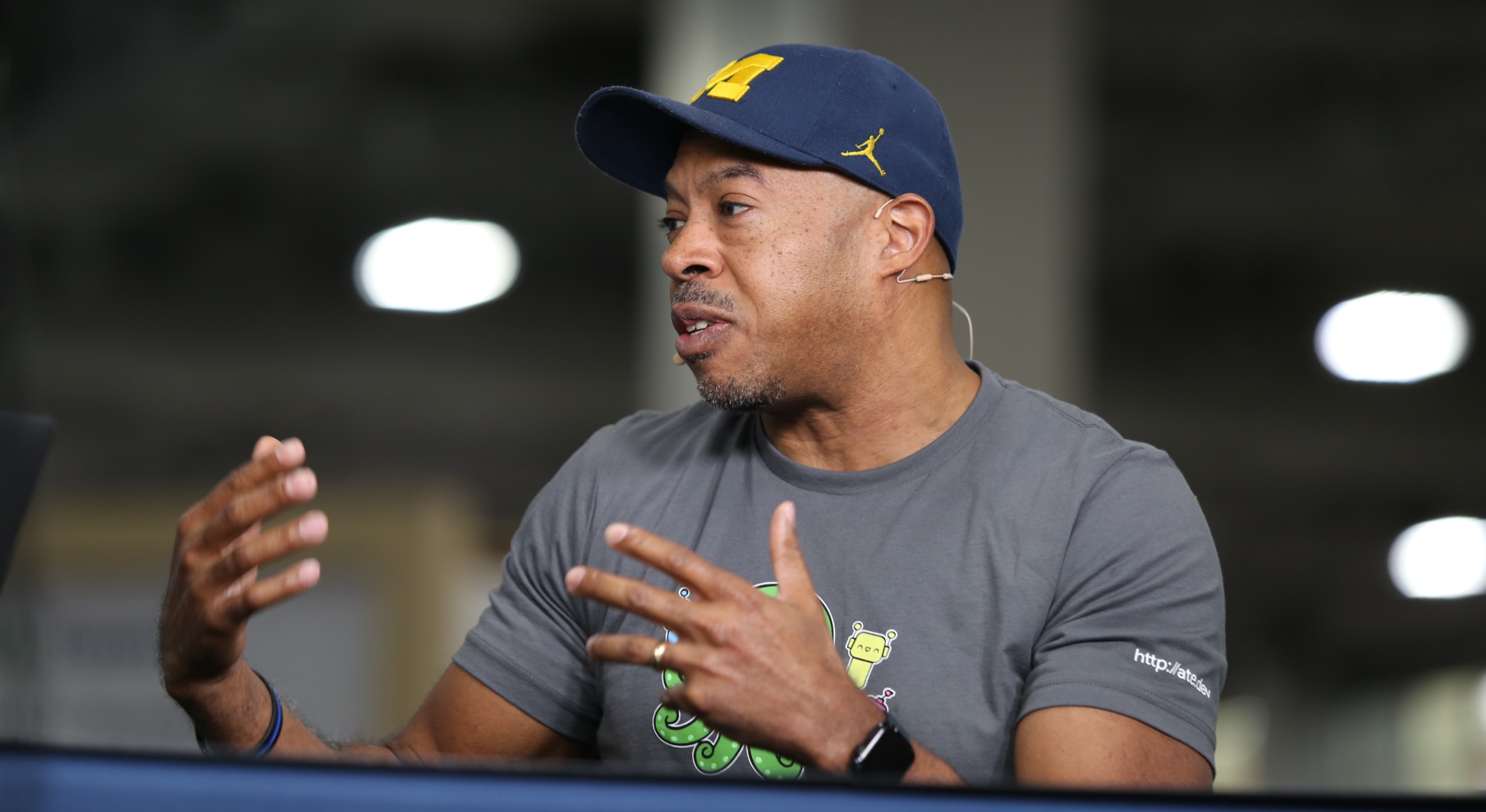
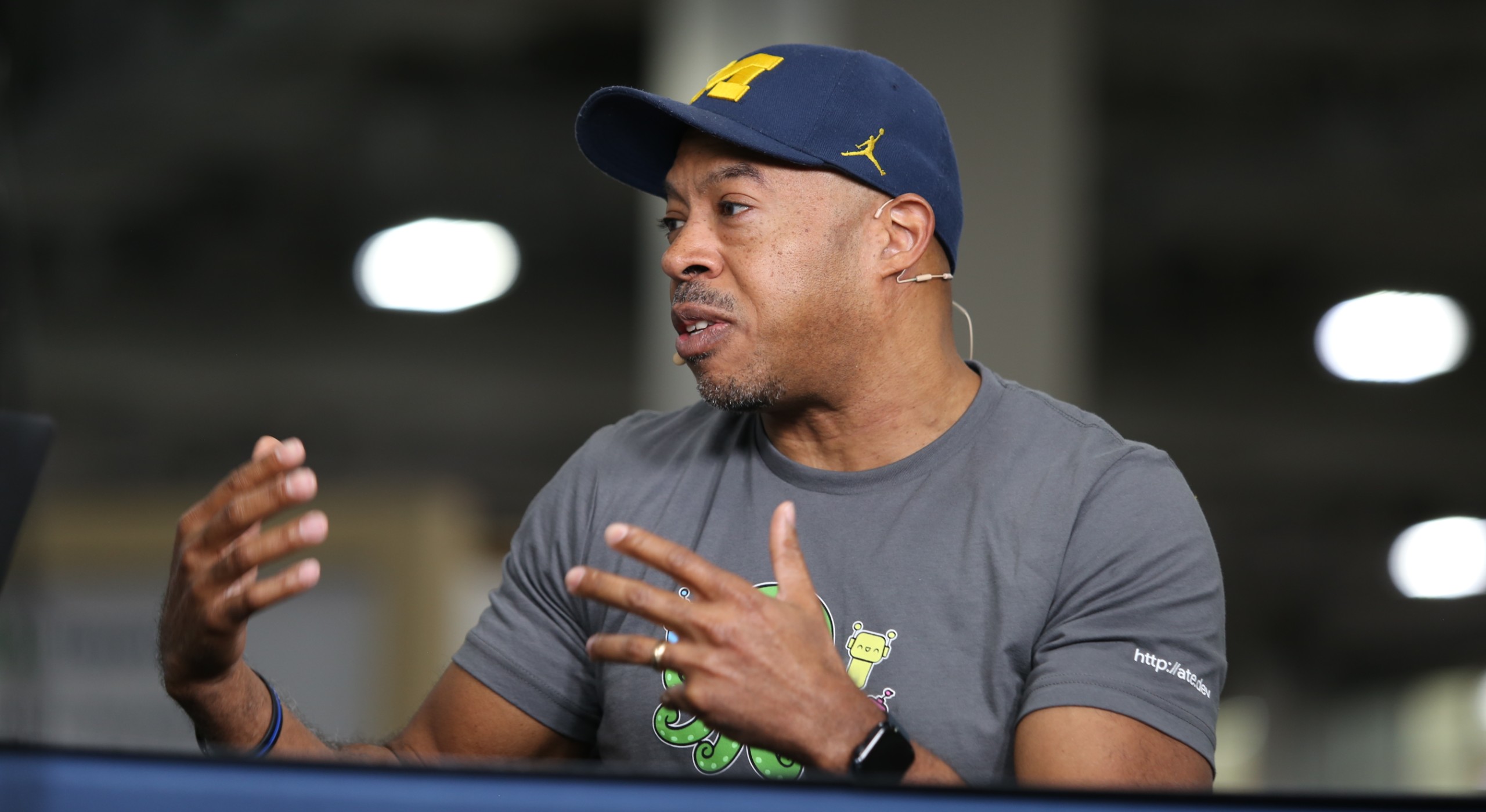
Past platform shifts, from physical servers to virtual machines and from virtual machines to containers, forced companies to wipe the slate clean and start over. This shift is different because Kubernetes was built as a platform for building platforms, according to Bobby Allen (pictured), cloud therapist at Google Cloud LLC.
“Kubernetes now, 11, 12+ years in, has this whole new life,” Allen said. “You don’t need a new platform this time. … This shift doesn’t mean that you’ve got to retool and rebuild and replatform everything, and I think that could be comforting for folks to realize that they don’t have to start from scratch.”
Allen spoke with theCUBE’s Rebecca Knight at KubeCon + CloudNativeCon NA, during an exclusive broadcast on theCUBE, SiliconANGLE Media’s livestreaming studio. They discussed how Kubernetes is recovering resources spent on idle agentic AI workloads. (* Disclosure below.)
Running agentic AI workloads in the open
Google is putting that view into practice. The company has donated Agent Substrate, gVisor and OpenRL to the Cloud Native Computing Foundation, while engineering teams are tuning Kubernetes for agents rather than building a new stack.
“Google is doubling down on our commitment to not just open source but community-driven, collaborative, multiple-partner-involvement open source,” Allen said. “These concepts are foundational, but they’re important enough that we need to all contribute and shape these together.”
Efficiency is a big part of the motivation. Agents spend long stretches idle while they wait for human input, and the projects aim to give those resources back during the downtime, Allen explained.
“These are kind of different efforts that contribute to an open, flexible, transparent, collaborative way to make agentic workloads run better so that we can have these amazing outcomes but also be efficient with our resources,” Allen said. “We don’t want to have this sci-fi Star Trek moment where we’re stepping into the future and kill the planet.”
Here’s the complete video interview, part of SiliconANGLE’s and theCUBE’s coverage of KubeCon + CloudNativeCon NA:
(* Disclosure: TheCUBE is a paid media partner for KubeCon + CloudNativeCon NA. Sponsors of theCUBE’s event coverage do not have editorial control over content on theCUBE or SiliconANGLE.)
Photo: SiliconANGLE
Support our mission to keep content open and free by engaging with theCUBE community. Join theCUBE’s Alumni Trust Network, where technology leaders connect, share intelligence and create opportunities.
- 15M+ viewers of theCUBE videos, powering conversations across AI, cloud, cybersecurity and more
- 11.4k+ theCUBE alumni — Connect with more than 11,400 tech and business leaders shaping the future through a unique trusted-based network
Founded by tech visionaries John Furrier and Dave Vellante, SiliconANGLE Media has built a dynamic ecosystem of industry-leading digital media brands that reach 15+ million elite tech professionals. Our new proprietary theCUBE AI Video Cloud is breaking ground in audience interaction, leveraging theCUBEai.com neural network to help technology companies make data-driven decisions and stay at the forefront of industry conversations.
agentic-ai-workloads-push-kubernetes-to-return-idle-resources